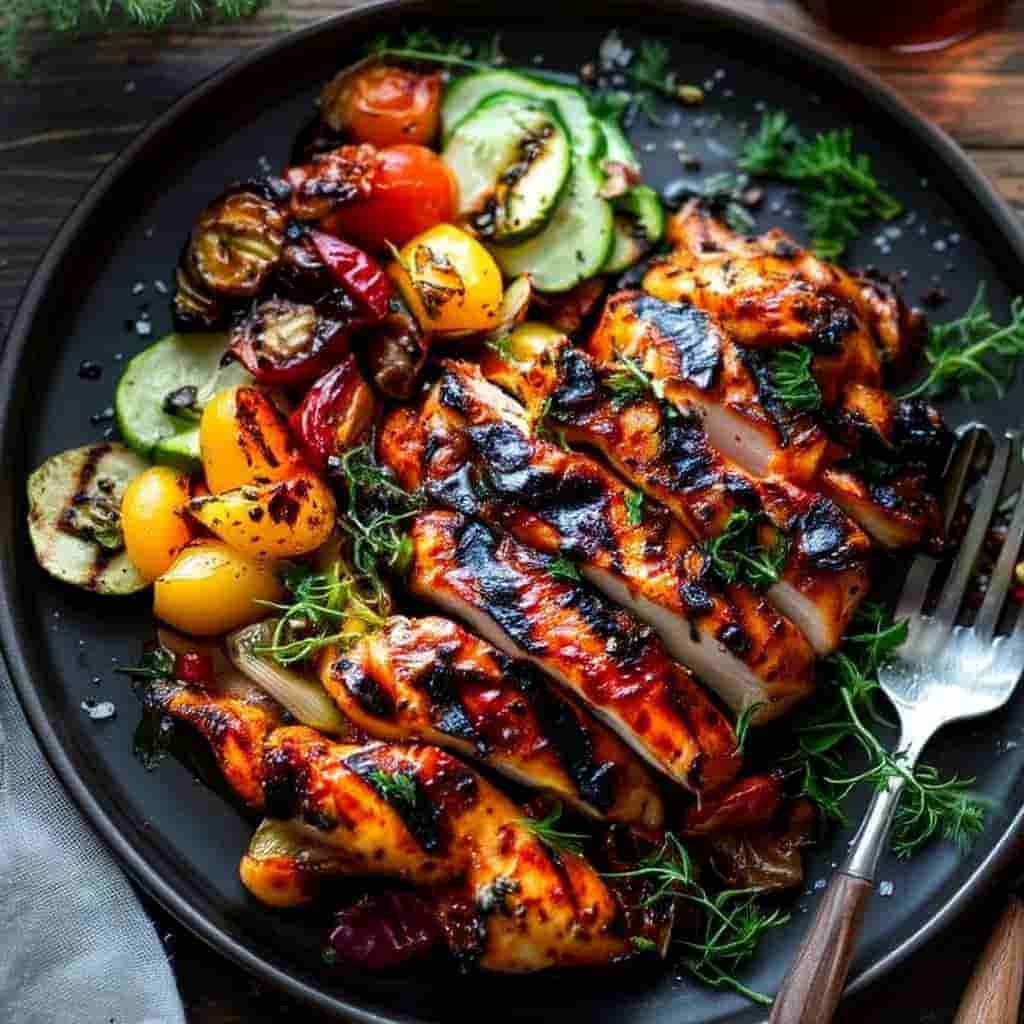
Cast Iron Chicken Breast That’s Juicy, Flavorful & Ready in 25 Minutes
If you’ve ever wondered how to make the perfect cast iron chicken breast—crispy on the outside, juicy on the inside—you’re in the right place. This article covers everything you need: a flavorful stovetop-to-oven technique, common cooking mistakes to avoid, seasoning tips, and pro-level methods for a mouthwatering result. You’ll also learn how to prevent sticking, burning, or drying out the meat using easy kitchen habits. And since we’re using a cast iron skillet, we’ll include the best tricks for handling and cleaning it right. Let’s start with a story that brought this dish to life in our kitchen.
Table of Contents

- Total Time: 24 minutes
- Yield: 4 servings 1x
Description
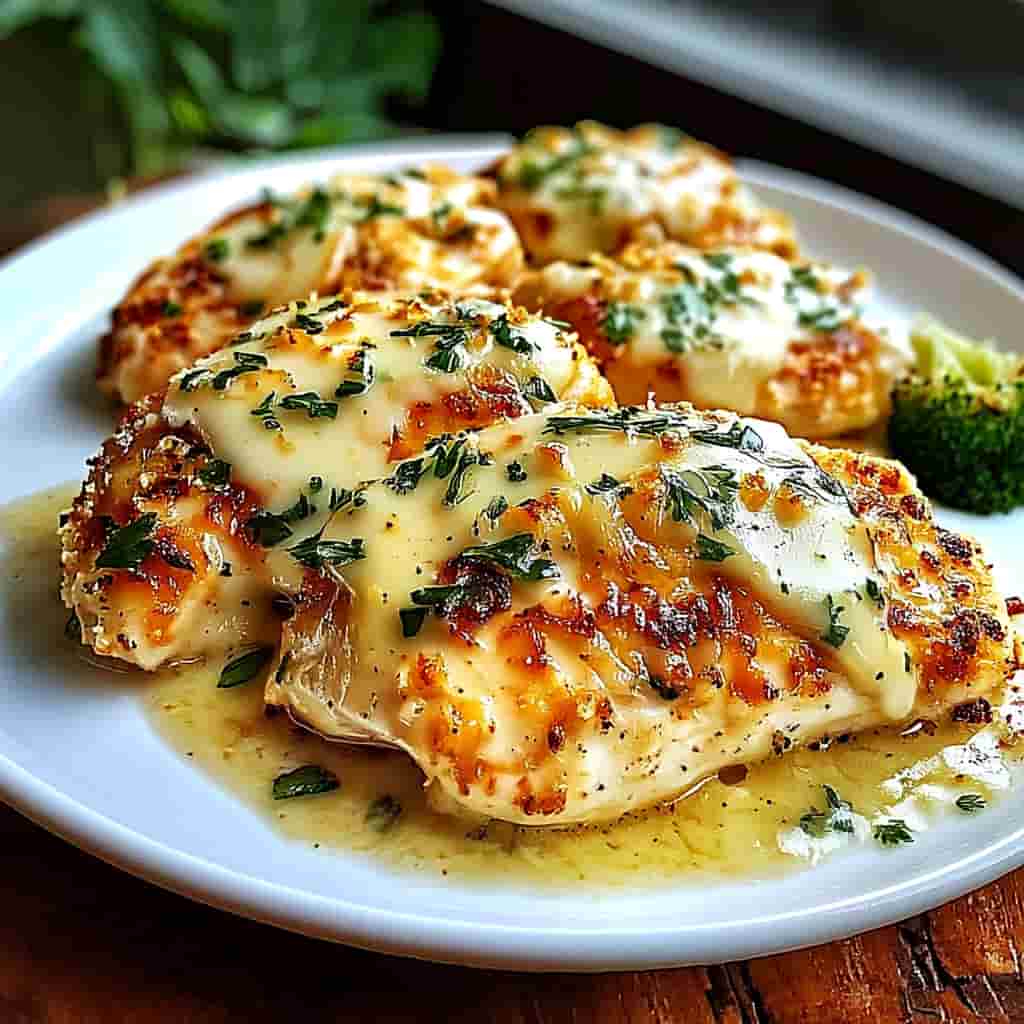
Juicy, golden-brown cast iron chicken breast is a quick and easy dinner with incredible flavor and crisp seared edges.
Ingredients
3 tablespoons vegetable oil, divided
4 (6-8 ounce) boneless, skinless chicken breast, trimmed
1–2 tablespoons all-purpose seasoning (or ½ tsp each garlic powder, kosher salt, parsley flakes, minced onion, dried basil)
Ground black pepper, to taste
1 tablespoon salted butter
Instructions
1. Pat chicken dry with paper towels. Rub 1 tablespoon oil on chicken, season with seasoning and black pepper.
2. Heat 2 tablespoons oil in a 12–14 inch cast iron skillet over medium-high heat.
3. Once oil shimmers, place chicken in skillet without overcrowding. Cook 5–7 minutes, undisturbed.
4. Flip and cook 5–7 minutes on second side, until internal temperature reaches 165°F.
5. Add butter to skillet, melt, and spoon over chicken.
6. Remove chicken, rest for 5 minutes before serving.
Notes
Use a meat mallet to pound thicker breasts evenly. Do not overcrowd the skillet—cook in batches. Always preheat the skillet and make sure oil is shimmering before adding chicken.
- Prep Time: 5 minutes
- Cook Time: 14 minutes
- Category: Hot Meals
- Method: Skillet
- Cuisine: American
Nutrition
- Serving Size: 1 chicken breast
- Calories: 219
- Sugar: 0.003g
- Sodium: 511mg
- Fat: 7g
- Saturated Fat: 3g
- Unsaturated Fat: 3g
- Trans Fat: 0.1g
- Carbohydrates: 0.003g
- Fiber: 0g
- Protein: 36g
- Cholesterol: 116mg
Cast Iron Chicken Breast for Quick, Juicy Meals
A skillet success story with a flavor-packed finish
There’s something deeply satisfying about a golden, seared cast iron chicken breast sizzling away in a well-seasoned pan. For us—Sarah and Ben—it started with a busy Tuesday evening, one of those where cooking felt like the last thing we had time for. We stared at a pack of chicken breasts and thought, “How can we make this delicious and fast?” That’s when the cast iron skillet came out—and everything changed.
This skillet method became our secret weapon: juicy chicken, deeply seasoned, with crisp edges and restaurant-style texture. And the best part? You can make it all in one pan, with a short prep and even quicker cleanup. It’s become a weeknight go-to, not just because it tastes amazing, but because it reminds us how easy great food can be.
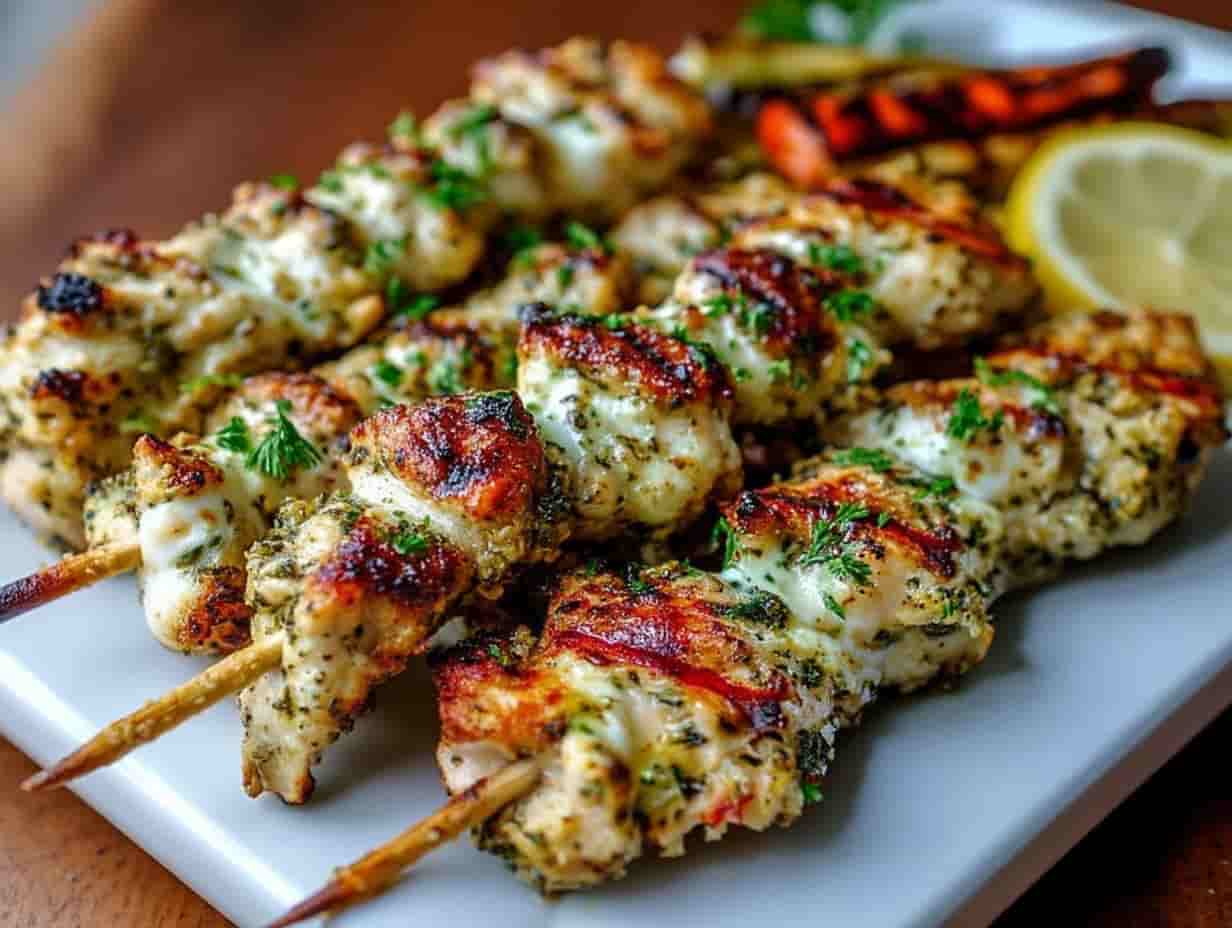
We like to pair it with grilled veggie sides or even fold slices into our garlic parmesan chicken skewers mix. For even more variation, you could layer it in a sandwich next to these grilled chicken nuggets vs Chick-fil-A styles—homemade, healthier, and just as satisfying.
Why cast iron is your best friend for chicken
Cooking chicken breast in a cast iron skillet ensures heat retention and even cooking, two keys to locking in moisture. The high heat sears the outside fast, which creates that crisp texture we crave without drying out the meat inside. If you’re curious about how this type of pan works, you can read more about the benefits of cast iron cookware on Wikipedia.. This also makes it perfect for the stovetop-to-oven method, one often used in Chick-fil-A grilled chicken nuggets recipes and other hot meals.
Just be sure your skillet is properly preheated before adding your chicken. This one detail often separates average results from excellent ones. For added variety, try this approach on other cuts like cast iron chicken thighs for a darker, richer flavor twist.
How to Cook Chicken Breast in Cast Iron Skillet and Oven
Mastering the technique for perfect texture
To cook a flawless chicken breast in a cast iron skillet and oven, the method is simple—but every step matters. First, start with evenly sized boneless, skinless chicken breasts. If they’re too thick, gently pound them with a mallet to about ½ to ¾ inch thickness. This helps the chicken cook through without burning the outside.
Once prepped, pat the chicken dry with paper towels. Moisture is the enemy of browning. Then drizzle with a tablespoon of vegetable oil and rub it all over the meat. Season generously with all-purpose seasoning and a little ground black pepper.
Place a large 12–14-inch cast iron skillet on the stove and heat 2 tablespoons of vegetable oil over medium-high heat. When the oil shimmers, carefully add the chicken, spacing it out to avoid overcrowding. Let it cook untouched for 5–7 minutes to form a golden crust—resist the urge to flip too early. Then turn the chicken and cook another 5–7 minutes on the second side. If your chicken is browning too fast, lower the heat to medium. Internal temperature should read 165°F before removing it.
To add depth, finish with a tablespoon of butter in the skillet, spooning it over the chicken as it melts. This adds moisture and a rich savory edge that elevates each bite.
If you’re oven-finishing, simply preheat your oven to 400°F. After searing both sides in the skillet, transfer the pan to the oven and cook an additional 5–7 minutes until the center is just right.
This step-by-step process is what sets cast iron chicken breast apart from any other method. You get a restaurant-style sear in your home kitchen.
The secret is in the seasoning
The all-purpose seasoning blend is key to bold flavor. Ours includes garlic powder, kosher salt, parsley flakes, dried minced onion, and basil. This dry rub infuses each bite with just enough herbal warmth and a hint of savory garlic, which pairs perfectly with the seared edges from the skillet.
You can make the mix yourself, or use a store-bought blend—just avoid any that include sugar, which can burn in high heat. For a southern spin, swap in a Cajun blend. If you’re feeling inspired, pair it with our Chick-fil-A grilled chicken nuggets–style marinade for a low-calorie yet flavorful option, as we explored in our Chick-fil-A nutrition article.
This flexible recipe even works in sandwich builds, alongside grilled chicken strips or turned into wraps with leftover garlic parmesan chicken skewers—perfect for meal prep days.
Cast Iron Chicken Breast Mistakes to Avoid
The top mistaes home cooks make
Cooking chicken in a cast iron skillet seems easy—and it is, once you know what not to do. One of the biggest mistakes? Overcrowding the pan. If you place too many chicken breasts in your skillet at once, they’ll steam instead of sear. This leaves you with pale, rubbery meat instead of that golden-brown crust. Always leave space between pieces or cook in batches. Using a 12–14-inch pan is ideal.
Another common misstep is flipping too early. Let the chicken cook undisturbed for 5–7 minutes on the first side to build that deep crust. If you try to move it too soon, it’ll stick—and you’ll tear that flavorful sear right off.
Temperature matters, too. If your pan isn’t hot enough, your chicken will absorb the oil instead of cooking in it. That leads to soggy, greasy results. Let your oil shimmer first—then it’s go time.
Lastly, don’t skip the rest time. Once you pull your chicken off the heat, let it sit for 5 minutes before slicing. This step locks in juices. Rushing this part can lead to dry meat, even if you nailed everything else.
These tips aren’t just for this dish—you can apply them across other meals like our cast iron chicken thighs and grilled chicken strips, which also benefit from space, patience, and a properly heated pan.
Preventing sticking, burning, or uneven searing
To keep your cast iron chicken breast from sticking, make sure your skillet is well-seasoned. A pre-seasoned skillet develops a natural non-stick surface over time—just keep it clean (but never scrub with soap) and lightly oiled after each use.
Heat is also essential. Cold meat on a hot pan can cause sticking. Let your chicken sit at room temperature for 15 minutes before cooking. This helps it cook evenly and reduces the chance of it gripping the pan.
And burning? That usually happens when the heat is too high or the skillet wasn’t preheated evenly. Start with medium-high heat, and reduce if needed once browning starts. A little patience here saves your dinner.
You’ll see these same techniques reflected in our grilled chicken nuggets vs Chick-fil-A post, where we show how pan handling and temperature control make a world of difference in taste and texture.
Caring for Your Skillet After Cast Iron Chicken Breast
Should you wash cast iron after cooking chicken?
This is one of the most common questions we get—and it’s a good one. Yes, you should clean your skillet after cooking chicken, but never the way you’d clean a nonstick or stainless steel pan. Avoid soap, scouring pads, or letting it soak in water. These all strip the seasoning—that natural nonstick layer built up over time.
Instead, once your skillet cools slightly, wipe out excess grease with paper towels. If there are stuck-on bits (fond), pour in a bit of warm water while the pan is still warm—not hot—and gently scrape with a wooden spoon or spatula. Dry it completely with a towel or heat it on low until dry. Then, rub a very thin layer of vegetable oil into the surface using a paper towel. This re-seasons the skillet and keeps it slick and rust-free.
These same habits apply even when you’ve used your skillet for other meals like cast iron chicken thighs or seared garlic parmesan chicken skewers. A well-maintained pan is the secret behind those crisp, golden crusts and reliable cooking performance.
The lifelong skillet routine that boosts flavor
Taking care of your cast iron after making chicken breast doesn’t just preserve the pan—it actually improves every dish you make going forward. As the seasoning builds, so does your skillet’s ability to hold flavor and release food easily.
If you make cast iron chicken breast once a week (like we do), you’ll notice the crust gets better, the sticking less frequent, and the flavor richer. That’s the magic of seasoning at work.
Over time, a well-seasoned skillet becomes your most trusted kitchen tool. And because it’s oven-safe, it works great for finishing chicken in the oven too, especially for thicker cuts or when replicating oven-style grilled chicken recipes like our Chick-fil-A grilled chicken nuggets technique.
We love how this method keeps things simple, fast, and delicious—perfect for hot meal nights without the mess. And if you ever want to repurpose leftovers, try slicing them into salads or tucking them into sandwiches with our favorite grilled chicken strips for a perfect bite.

FAQ Section
What are common skillet chicken mistakes?
The most common mistakes include overcrowding the pan, flipping the chicken too soon, and not letting the oil get hot before cooking. Each of these can lead to steamed or rubbery chicken instead of a crisp, golden crust.
How to keep chicken from burning on cast iron?
Use medium-high heat to start and reduce it if the outside browns too fast. Preheat the pan evenly and monitor closely—cast iron retains heat longer than other pans.
How to prevent chicken from sticking to cast iron?
To prevent sticking when cooking cast iron chicken breast, make sure your skillet is properly seasoned and your oil is hot before adding the meat. Let the meat rest at room temperature for 15 minutes and avoid flipping too early—this allows a natural release.
Should you wash cast iron after cooking chicken?
Yes, but never with soap. Wipe it clean, use warm water if needed, dry thoroughly, and apply a thin coat of oil to maintain the seasoning and prevent rust.
Conclusion
Cast iron chicken breast is a weeknight favorite for a reason: it’s quick, flavorful, and uses just one pan. With the right technique, seasoning, and skillet care, you’ll turn basic chicken into a juicy, restaurant-worthy dish every time. We love pairing ours with favorites like grilled chicken nuggets or garlic parmesan skewers for a full meal that’s both simple and satisfying.
Whether you’re a skillet pro or just getting started, this recipe proves that a cast iron pan is one of the best tools you can have in your kitchen. With these simple steps, cast iron chicken breast becomes a go-to meal you can count on any night of the week. Ready to make it tonight?