Hi there! We’re Sarah & Ben, the duo behind Easy Recipes To Go. Our kitchen journey began with the challenge of turning real-life chaos into real food—fast, flavorful, and simple. These cast iron chicken thighs were one of the first recipes we mastered. It’s our weeknight go-to that’s never let us down.
PrintCast Iron Chicken Thighs – Crispy, Juicy & Weeknight-Perfect
- Total Time: 25 minutes
- Yield: 5 servings 1x
Description
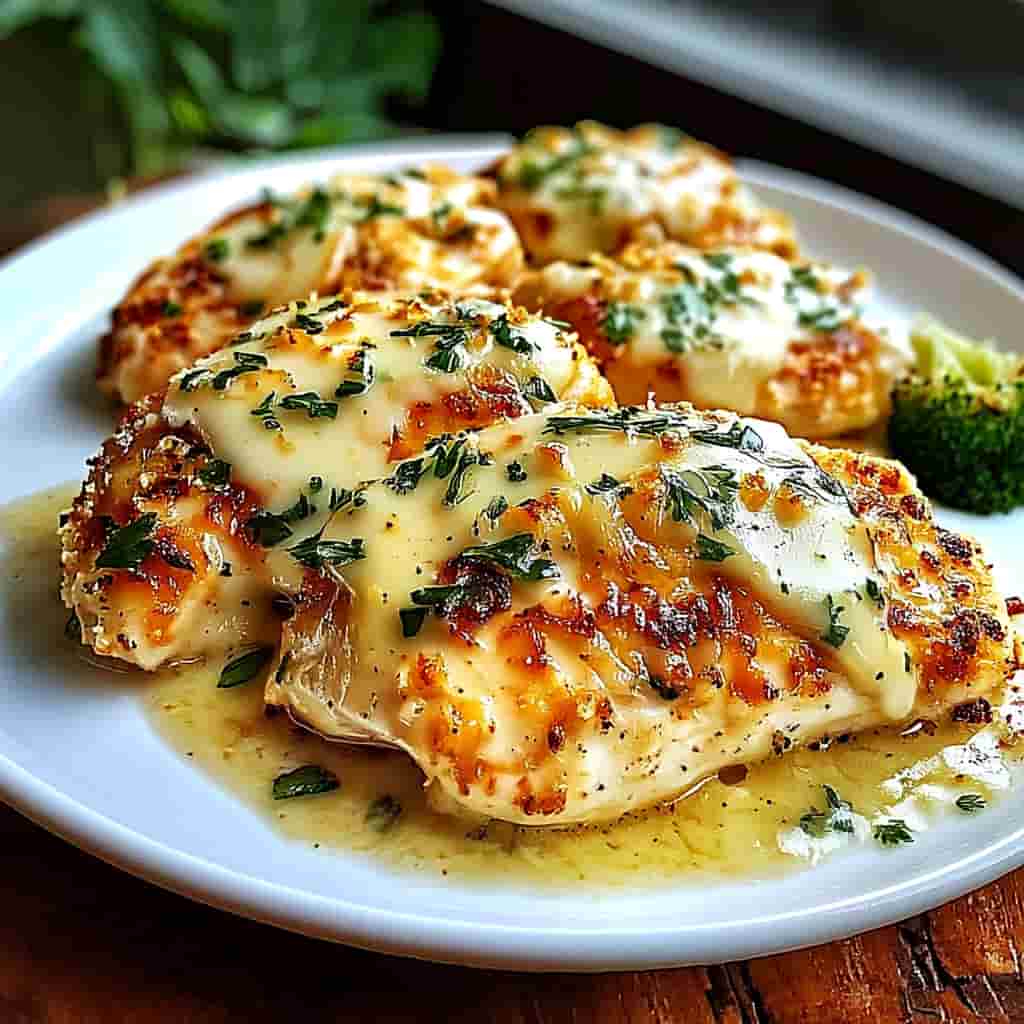
Cast iron chicken thighs are seared to crispy perfection then baked in a herb-infused sauce. Juicy, flavorful, and ready in under 30 minutes, this simple skillet dish is perfect for weeknights.
Ingredients
4–6 bone-in skin-on chicken thighs
Salt and pepper to taste
1 tablespoon olive oil or avocado oil
1 medium shallot, minced
6 cloves garlic, minced
1/2 cup white wine (or chicken broth)
1/2 cup chicken broth
2 tablespoons unsalted butter (or vegan butter)
1 tablespoon each: fresh chopped sage, rosemary, and thyme
Instructions
1. Preheat oven to 425°F. Pat chicken thighs dry and season with salt and pepper.
2. Heat oil in a 12-inch cast iron skillet over high heat until hot and rippling.
3. Place chicken skin-side down and sear for 5–7 minutes without moving.
4. Flip chicken and transfer skillet to oven. Roast for 12–15 minutes or until internal temp reaches 155°F.
5. Remove skillet carefully. Transfer chicken to a board.
6. Drain excess fat, then return skillet to medium-high heat. Sauté shallots and garlic for 30 seconds.
7. Add white wine, simmer to reduce by half. Add chicken broth and reduce again.
8. Stir in butter and herbs. Simmer until sauce thickens.
9. Taste and season if needed. Return chicken to pan and spoon sauce over to serve.
Notes
Dairy-free: Use vegan butter or coconut oil.
Gluten-free: Naturally gluten-free.
Store: Refrigerate leftovers up to 3 days.
Reheat: Oven at 350°F with sauce spooned on top until heated through.
- Prep Time: 5 minutes
- Cook Time: 20 minutes
- Category: Hot Meals
- Method: Cast Iron Skillet
- Cuisine: American
Nutrition
- Serving Size: 1 chicken thigh
- Calories: 523
- Sugar: 0.3g
- Sodium: 722mg
- Fat: 39.7g
- Saturated Fat: 12g
- Unsaturated Fat: 25g
- Trans Fat: 0g
- Carbohydrates: 3.4g
- Fiber: 0.7g
- Protein: 35g
- Cholesterol: 201.8mg
Chicken thighs are the ultimate go-to for bold flavor and tender meat, but cooking them right makes all the difference. In this recipe, we’re sharing how to make cast iron chicken thighs with a golden sear and juicy center, using simple ingredients and a method that works every single time. This article walks you through technique, seasoning, pan care, and more to guarantee foolproof results. If you’ve ever struggled with sticking, soggy skin, or uneven cooking, keep reading—we’ve got you covered.
Cast Iron Chicken Thighs & Our Real-Life Story.
Table of Contents
Why we always turn to cast iron for chicken thighs
There’s something incredibly nostalgic about the smell of sizzling chicken hitting a hot skillet. For us—Sarah and Ben—it brings back weeknights where we wanted something hearty but quick. Cast iron chicken thighs became our secret weapon. We were juggling full-time jobs and toddler bedtimes when we first figured out that with a hot pan, a few herbs, and bone-in thighs, we could serve up a meal that felt like a weekend dinner any night of the week.
That golden, crisped skin? That’s cast iron magic. The way it sears and then finishes gently in the oven gives chicken thighs a texture and depth that’s tough to beat. Thanks to the even heat retention of cast iron cookware, it crisps beautifully while locking in moisture—something no nonstick pan can do.
And honestly, the clean-up is minimal, especially if you treat your skillet right. Now we keep this dish on rotation—adding it to meal plans when we need protein, flavor, and speed without stress.
Why chicken thighs win over chicken breasts (especially here)
Chicken thighs are far more forgiving than chicken breasts. They’ve got more fat, which means more moisture and flavor, and they’re harder to overcook. When you’re working with cast iron, this cut is just the right match: it benefits from the direct heat without drying out. We often alternate between our juicy cast iron chicken breast recipe and this one, but thighs win when we want that perfect crisp skin.
You’ll also love how the same technique can be adapted. Whether you’re prepping for a quiet night or impressing guests, this recipe delivers every time. Keep reading and we’ll walk you through the exact steps, sauce options, and tricks to make this your new favorite hot meal from our grilled chicken collection.
Boneless Skinless Cast Iron Chicken Thighs
Do boneless skinless thighs work in cast iron? Absolutely.
While bone-in, skin-on thighs give you that crispy golden layer, boneless skinless chicken thighs bring their own set of wins—especially when you’re after speed and simplicity. The key? Searing over high heat in a properly preheated cast iron skillet. You’ll get a beautiful browning and a juicy interior in just minutes.
Start by patting the chicken dry. This helps the surface caramelize instead of steaming. Season well with salt, pepper, garlic powder, or even a smoky paprika blend. Heat avocado oil (or olive oil) until rippling but not smoking, then add your thighs flat-side down. Don’t move them too soon—give them 4–5 minutes to build that crust.
We often use this boneless version on nights we’re tight on time. It cooks quicker and pairs easily with anything—toss it over a salad, slide into tacos, or meal prep a batch with some roasted veggies. If you like this method, you’ll definitely appreciate how it compares to our grilled chicken strips and grilled nuggets vs Chick-fil-A for lunchbox variety.
Finishing tips to avoid dryness or overcooking
Because boneless thighs are thinner and have no bone to slow heat transfer, it’s important to keep a close eye on temperature. Use an instant-read thermometer and aim for 165°F. Once they hit temp, let them rest for 5 minutes before slicing.
Want a quick pan sauce? Deglaze with chicken broth or a splash of lemon juice right after cooking, scraping up the flavorful browned bits. Stir in a little butter, fresh herbs, and a spoonful of Dijon mustard if you’re feeling fancy.
The best part: this method uses the same skillet you’ll love for bone-in thighs, making it just as easy to rotate both versions in your weekly lineup.

Avoid These Mistakes When Cooking Chicken Thighs
Mistake #1: Putting chicken in a cold skillet
The biggest mistake we see? Dropping chicken thighs into a pan that’s not hot enough. Cast iron needs time to preheat. You want the oil to ripple—almost shimmer—but not smoke. This is the moment the magic starts. If the skillet isn’t hot, you won’t get that crispy sear. Instead, you’ll get pale, soggy skin and stuck-on meat. Always test by flicking a drop of water into the pan—it should sizzle instantly.
In our kitchen, we treat preheating seriously. It’s a small step with huge payoff. Just like with our garlic parmesan chicken skewers, where surface sizzle locks in flavor, here the heat builds the foundation of the dish.
Mistake #2: Skipping the rest time
Another common slip? Skipping the rest period. Letting your chicken rest for at least 5 minutes after cooking allows the juices to redistribute, so you don’t end up with dry meat and a puddle on your cutting board. Resting is especially crucial with bone-in thighs, where heat continues to carry through the center even after you’ve removed them from the oven.
Also, don’t overcook. Thighs are forgiving, but they’re still best at 175°F for bone-in and 165°F for boneless. A meat thermometer is your best friend here.
Mistake #3: Neglecting the pan sauce
Once you’ve seared and roasted your chicken, don’t toss those golden bits left in the skillet. They’re flavor gold. Just like in our chick-fil-a grilled chicken nuggets version, building a quick sauce with shallots, garlic, broth, and fresh herbs brings restaurant-level depth to your dish.
A simple reduction adds richness and balance—whether you’re using wine or broth. Swirl in a pat of butter and taste before serving. That finishing touch? It transforms cast iron chicken thighs from simple to unforgettable.
Why Cast Iron Is Perfect for Chicken Thighs
The cast iron advantage: heat retention and searing power
What makes cast iron so ideal for chicken thighs? Two things: consistent heat and unbeatable browning. Cast iron retains and distributes heat evenly, which helps build that deep golden crust on chicken skin while keeping the meat juicy inside. Once it’s hot, it stays hot—making it great for searing skin-side down without losing heat when the meat hits the pan.
We’ve tested everything from nonstick to stainless, and cast iron always wins. It’s the same reason it shines in our grilled chicken nugget comparisons—it holds steady under pressure. Whether you’re using it for bone-in, boneless, or even a quick sauté of chicken strips, the even cooking prevents hot spots and underdone bites.
Why cast iron goes from stovetop to oven effortlessly
Another reason we swear by cast iron? It transitions seamlessly from stove to oven. That’s key for chicken thighs. First, sear on the stovetop to lock in moisture and crisp the skin. Then finish in a 425°F oven to cook through evenly. No need to transfer pans or lose flavor. Just one skillet, one dish, one great meal.
And if you’re worried about food sticking—don’t be. The trick is a well-seasoned pan and proper heat. A drop of water should dance on the surface before the chicken goes in. Also, don’t flip too soon. If the skin sticks, give it more time. Once it’s crisped, it will release naturally.
This method delivers bold, rich flavors without extra fuss. No wonder cast iron is the pan of choice for restaurant chefs and home cooks alike. Plus, you can use it for everything from our garlic herb skewers to reheating leftovers beautifully.
Frequently Asked Questions About Cast Iron Chicken Thighs
How long do chicken thighs take to cook on cast iron?
Bone-in, skin-on chicken thighs usually take about 5–7 minutes to sear on the stovetop and 12–15 minutes in a 425°F oven. Boneless skinless thighs cook a bit faster—about 4–5 minutes per side on the stove. Always use a meat thermometer: aim for 165°F for boneless and 175°F for bone-in for the best texture and safety.
How to make sure chicken doesn’t stick to cast iron?
Stickiness often comes from one of two things: the skillet wasn’t hot enough, or the chicken wasn’t ready to release. Preheat your cast iron skillet thoroughly—oil should ripple, not smoke. And resist flipping the chicken too early. Once a golden crust forms, it’ll lift off easily. A seasoned skillet also helps.
What are common mistakes when cooking chicken thighs?
Some frequent missteps: adding chicken to a cold pan, overcrowding the skillet, skipping the rest time, or not using a meat thermometer. Each of these can lead to dry, rubbery, or unevenly cooked chicken. Want more success? Follow the same care we take with cast iron chicken breast, and the results will shine.
What makes cast iron ideal for chicken thighs?
Cast iron gives you two things: a golden crisp sear and even heat distribution. It’s oven-safe and great for creating a pan sauce from the drippings. It also keeps food hot longer once served. That’s why it’s our go-to for any protein-rich meal—from thighs to chick-fil-a-style grilled nuggets.
Conclusion
If you’ve been searching for a go-to chicken dinner that delivers both flavor and ease, cast iron chicken thighs are it. They’re juicy, crispy, and full of simple, savory goodness—ready in under 30 minutes. Whether you’re cooking bone-in or boneless, using this skillet method guarantees dinner success. With a hot pan, a few herbs, and a splash of broth or wine, you’ll create a meal that feels both rustic and refined.
And remember, good meals don’t need to be complicated. That’s what we’ve built Easy Recipes To Go around—bringing homemade food to the table without stress. Try these chicken thighs tonight. You won’t be disappointed.